Have you ever looked at the price of a perfume in a shop and wondered whether you’re buying a fragrance or directly funding a multinational’s Paris headquarters? It’s a completely valid question. And today I’m going to explain it clearly: why are perfumes so expensive?
The Real Reasons Behind the High Price of Designer Perfumes
1. The Bottle Design
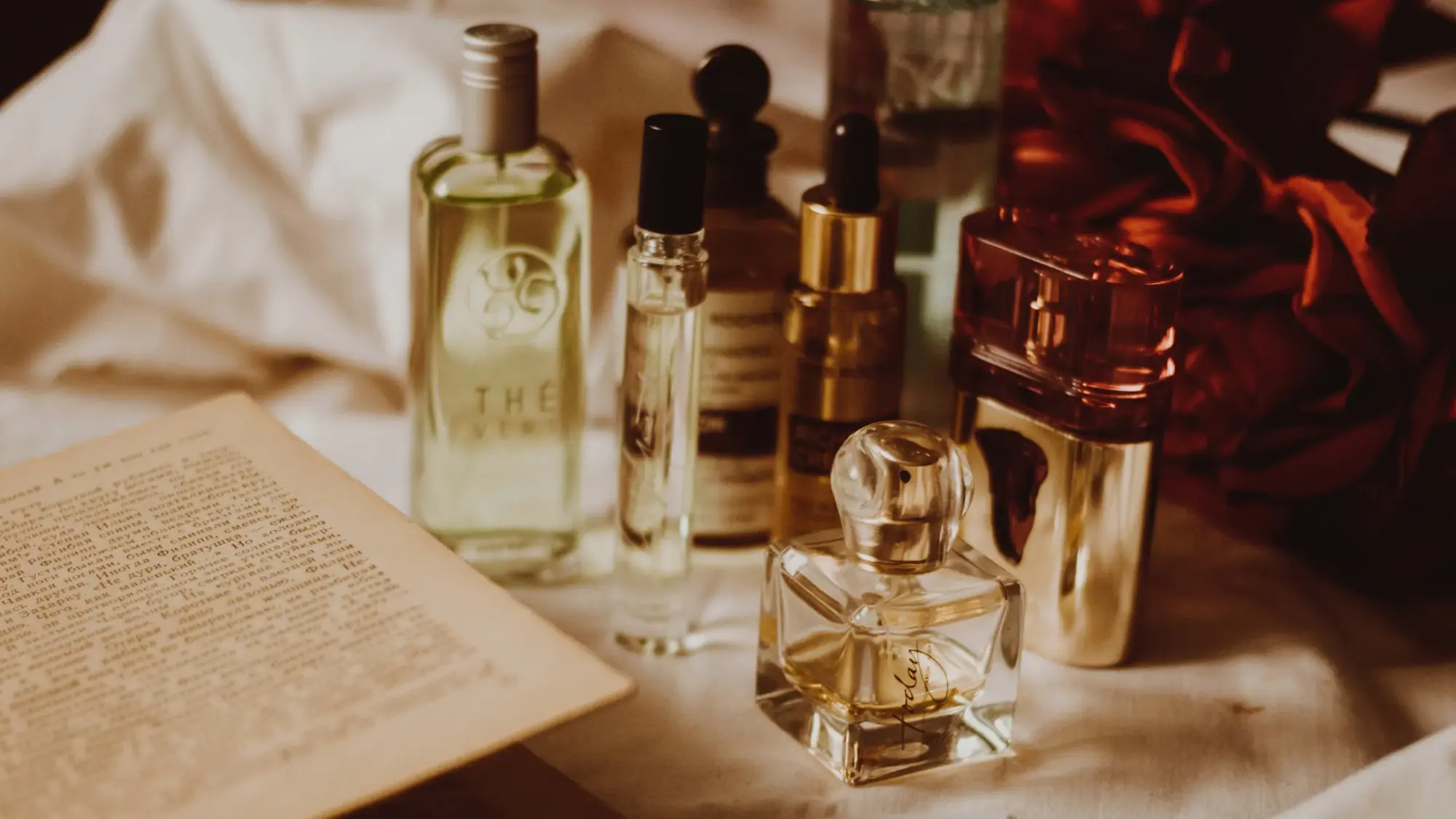
Luxury houses invest vast sums in the design of their packaging. Far from being a simple container, the bottle becomes an essential part of the experience and a key element within the marketing strategy. A Dior or Tom Ford bottle can cost more to produce than the contents inside. And you pay for that.
2. Multi-Million Pound Advertising Campaigns
A luxury fragrance doesn’t just sell a scent — it sells a lifestyle and an aspiration. That’s why brands spend enormous budgets on campaigns featuring famous faces from film, music and fashion. The Chanel No.5 advert with Nicole Kidman had a production budget of 33 million dollars. Care to guess who paid for that? Exactly.
3. Price as a Symbol of Exclusivity
In many cases, the high cost is also a deliberate strategy. By maintaining high prices, the brand reinforces the perception of luxury, glamour and exclusivity. An expensive perfume is perceived as more special than a cheaper one, even if the olfactory notes are very similar. It’s pure consumer psychology.
4. Exotic or Rare Ingredients
In some niche perfumes, part of the price is genuinely justified by rare ingredients: high-quality oud, Taif rose, absolute Grasse jasmine. But in the majority of widely distributed fragrances, the ingredients are similar to those used by dupe brands.
Price Comparison: Original vs. Equivalent
- Exclusive fruity chypre perfumes: some reach £300 per 100 ml. With a DIVAIN equivalent, a fraction of that price.
- Tom Ford Black Orchid: around £120 per 100 ml. The DIVAIN equivalent, far more accessible.
- Sauvage by Dior: approximately £80 per 100 ml. DIVAIN-222 is its best-selling catalogue equivalent.
- Black Opium by YSL: around £90 per 100 ml. DIVAIN-167 gives you the same olfactory accord.
- La Vie Est Belle by Lancôme: approximately £75. DIVAIN-093 is its star dupe.
So What About Dupe Perfumes?
Dupe perfumes allow you to enjoy fragrances that are very similar to the originals without paying for the marketing and the luxury bottle. This is achieved by reducing costs in areas that don’t affect the essence of the product, and focusing on what really matters: the quality of the fragrance itself.
There’s a myth that dupes are cheap copies. The reality is that many dupe brands, including DIVAIN, use first-rate European laboratories and comply fully with EU cosmetics regulations. The difference lies in what they spend on marketing, not in olfactory quality.
Frequently Asked Questions About Perfume Prices
How much does it cost to manufacture a luxury perfume?
It’s estimated that the manufacturing cost of the liquid itself represents between 3% and 8% of the final retail price for many luxury brands. The rest is margin, marketing, the bottle, distribution and brand positioning.
Are dupe perfumes lower quality?
Not necessarily. Many quality dupes use similar raw materials and comply with the same European regulations (IFRA, EU Cosmetics Regulation) as luxury brands. The main difference is in the branding, not the scent.
Is it worth paying more for the original?
It depends on what you value. If for you the bottle, the brand’s heritage and the boutique shopping experience are all part of the pleasure, then perhaps yes. If what you’re looking for is simply to smell incredible without spending a fortune, dupes are a very smart choice.
The price of a designer perfume doesn’t always reflect its intrinsic quality — it reflects everything that surrounds the product. Dupe perfumes offer an intelligent alternative: sophisticated, high-quality scents at a price accessible to more people. In short, they allow you to enjoy the art of perfumery without cost being a barrier. And I think that’s a genuine step forward for everyone. 💡